

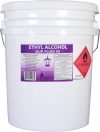
Denatured alcohol has a variety of common uses As a fuel for marine and ultra-light camping (backpacking) stoves. It is inexpensive, may be extinguished with water, and can be transported without special containers. However, safety concerns do arise from the near-colourless flame with which alcohol burns. A jellied and dyed form is used in the Sterno brand fuel “Canned Heat”, and is meant to be ignited and used in the container. As a sanding aid, as the alcohol helps to more easily remove excess dust because it does not open the wood grain the way that water does. As a mealybug exterminator. As a cleaning aid in removing ink stains from upholstery or clothes. As a cleaner in daily housekeeping As a solvent in shellac and shellac-based products. As a less expensive alternative to pure ethanol in preserving biological specimens. As a less toxic alternative to methanol in the production of biodiesel fuel. Biodiesel produced using ethanol is properly called fatty acid ethyl ester, whereas biodiesel from methanol is properly referred to as fatty acid methyl ester. For maintenance of wicks in kerosene heaters and lamps to remove water contaminants and restore the capillary action of the wick. As a wick cleaner and a kerosene additive, adding approx. 1 teaspoon denatured alcohol per gallon of kerosene.
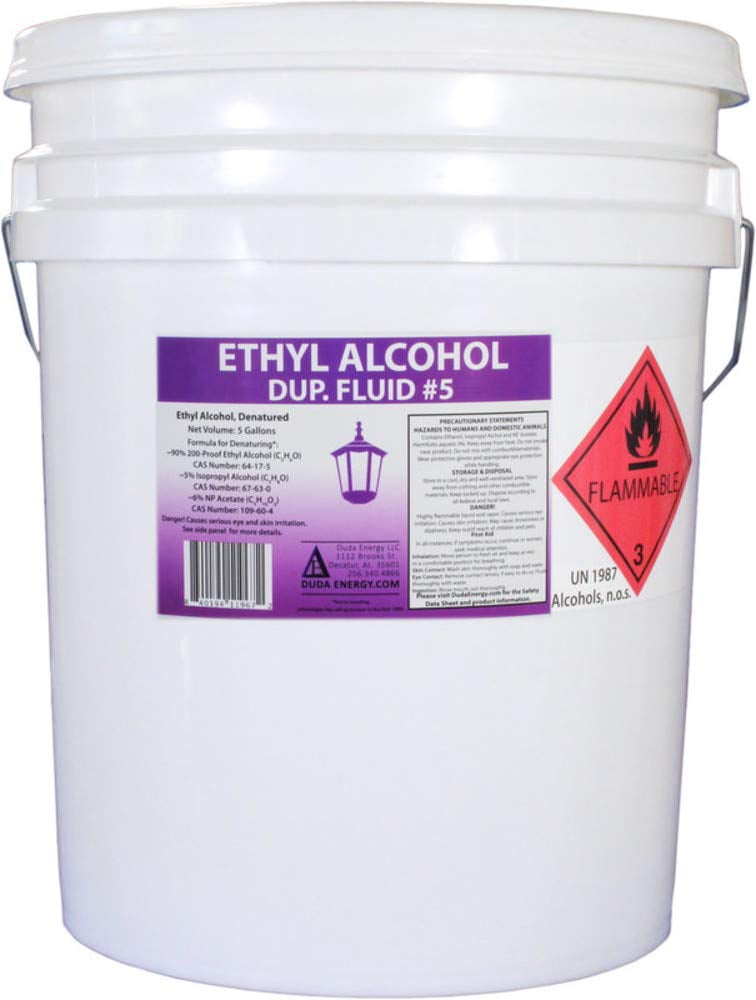
- 100% Pure Ethanol: Contains 90% Ethanol, 4.5% IPA (Isopropyl Alcohol), and 5% NP Acetate, providing high-quality industrial-grade ethanol.
- Non-Consumable: Strictly for industrial use; not suitable for consumption or food preparation.
- Versatile Applications: Ideal for use as fuel in stoves and charcoal burners, a sanding aid, or a solvent for removing inks from clothing.
- Secure Delivery: Requires a signature upon delivery and cannot be left unattended or picked up at the terminal to ensure safe handling.
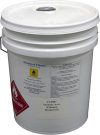
- Convenient Packaging: A Rieke pouring spout for easy and controlled dispensing.